

Beyond the noise of turbo-charged engines and early praise, what is the real verdict? Editor Alice Bradley takes a closer look.
Touted as one of the most eagerly awaited sports dramas of the year, F1 has largely crossed the finish line to applause, both from fans of the sport and moviegoers intrigued by the action. With on-the-ground cinematography, a heavyweight cast and a highly anticipated soundtrack, the film has certainly made an impact.
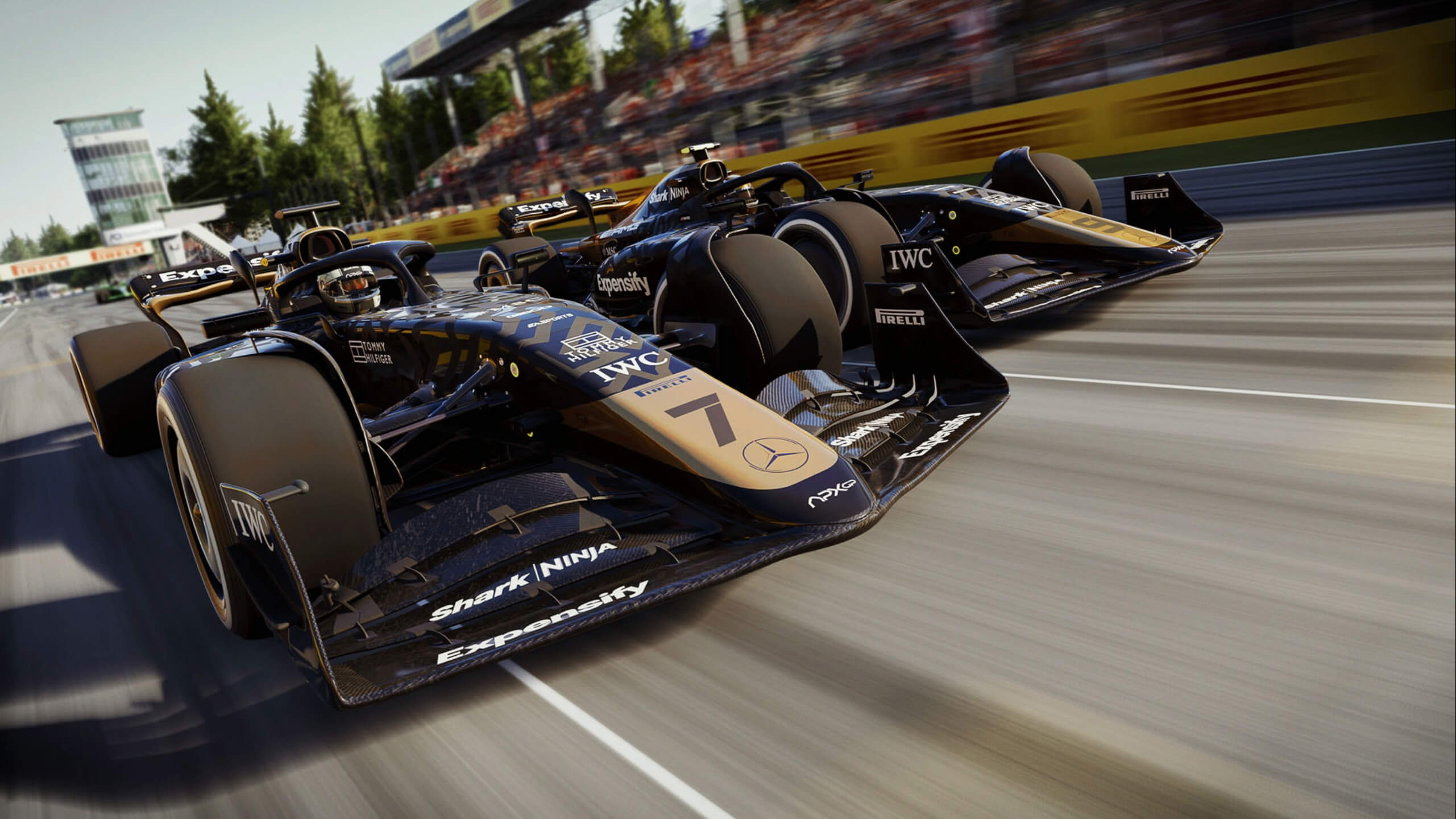
As a Formula One fan, I’ll admit my expectations were quite high. I have always allowed for some leniency with any Hollywood movie and having seen Joseph Kosinski’s previous work (Top Gun : Maverick), I expected there to be a level of high-octane drama that can only be replicated in cinema. In just 155 minutes, F1 delivers just that. Using a custom-built Formula 2 car modified by Mercedes-AMG Petronas for filming, Brad Pitt and castmate Damson Idris took to the tracks to become part of fictional team, APXGP.
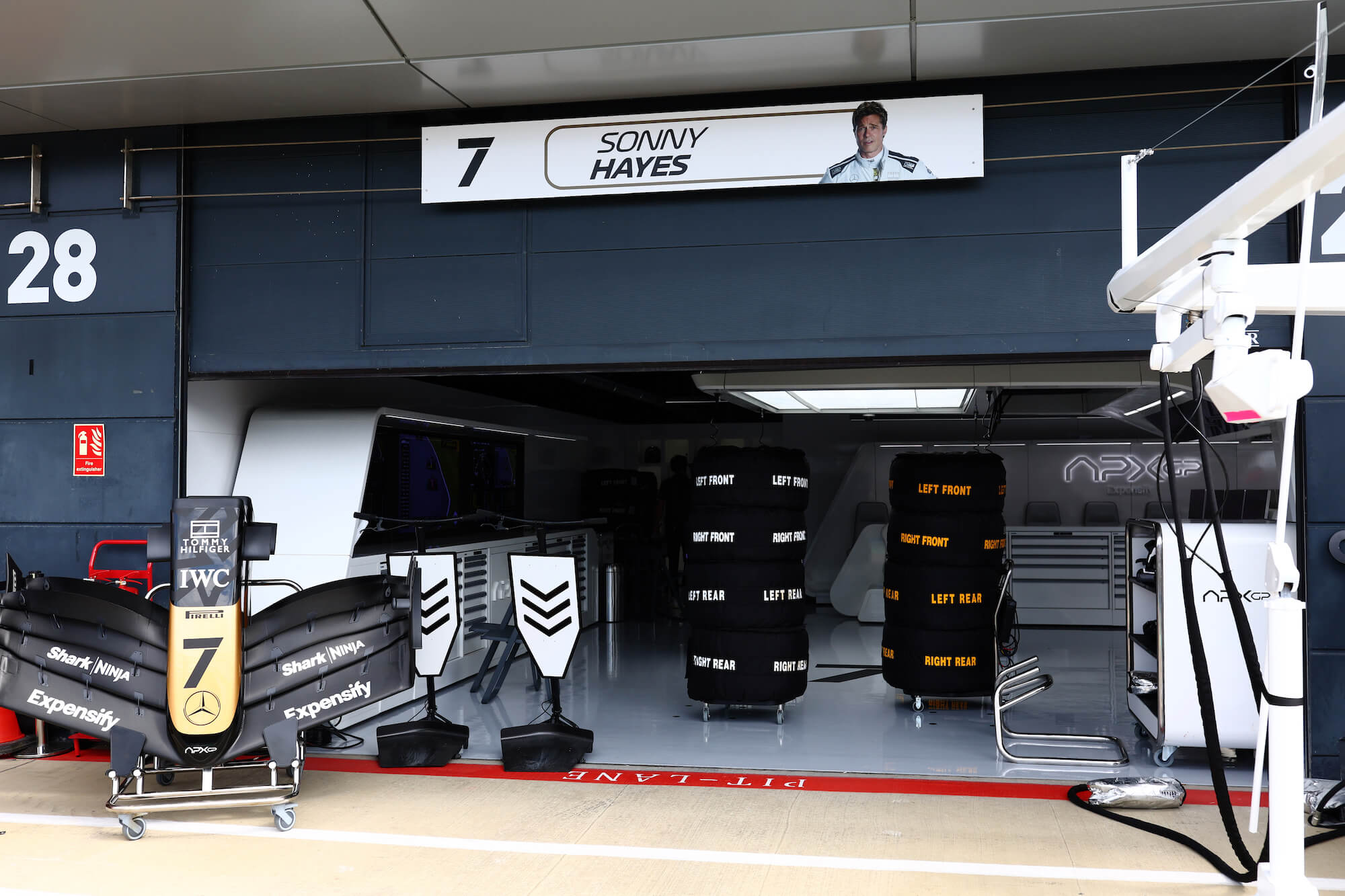
The film follows Sonny Hayes, a retired driver pulled back into the paddock to mentor rookie sensation Joshua Pearce (Damson Idris) and save the team from bankruptcy. Their fiery dynamic becomes the emotional core of the film, the risk-taking old timer and the promising but inexperienced future of Formula One. Their rivalry-turned-respect forms a satisfying throughline, mirroring the generational shifts we consistently see present itself in the sport today.

There was a clear focus on maintaining realism, with F1 legends Hamilton, Norris, Leclerc, Russell, and Verstappen among others making their movie debuts. Whilst there was depth in some areas, other areas seemed to fall short of the finishing line with forced subplots incorporated within the action. Perhaps to keep the audience “entertained”, came at the expense of the female characters. Kate (Kerry Condon) and Jodie’s (Callie Cooke) screen time felt at points unnecessarily weaker or sidelined, as is often the case in male-dominated sports films. Although the portrayal of women in motorsport fell short, likely disappointing many female fans, the film didn’t compromise on grit or its celebration of the sport, capturing exactly why so many remain loyal to Formula One.
With on the ground documentary series like Drive to Survive having sparked a surge of interest, big-name brand investment and a new fanbase, it’s fair to assume there would be an introductory tone to the film, and there was. It doesn’t claim to be a technical handbook or a documentary-style deep dive into constructors’ championship politics. Instead, it distills the adrenaline of race day, the psychological warfare between drivers, race strategy, in-team rivalries which we all know exist within the teams, Rosberg and Hamilton — I am looking at you.
The Hungarian Grand Prix sequence scored high in edge-of-your-seat cinema. Strategy unfolds in real time, with Hayes (Brad Pitt) engineering a calculated risk mid-race that could either destroy his comeback or cement his legacy. The unpredictable nature of this scene is enough to feel real and much of the footage throughout is spliced with real race shots. You feel immersed, as if watching a future season play out with the access of an insider.
Hayes (Brad Pitt) most poignant scene comes during the Abu Dhabi circuit, 125 minutes into the film. Taking a solitary lap in cinematic silence emphasising what we all know, but can’t quite comprehend. We may think we understand the pace of Formula One, but we really don’t. The speed, control and mental focus to make decisions in the relentless pursuit of a milliseconds lead. There are no whirs of the engine, no crowd roars, no commentary. A stillness of composure within the vehicle that we as spectators never get to witness first hand, no matter how advanced the in-car camera angles.
A special mention to the soundtrack, destined to become the soundtrack of choice for every future #F1TikTok edit. With tracks from Tiësto, Rosé, Ed Sheeran and Tate McRae, the film is sonically in tune with a younger generation discovering Formula One for the first time. It’s part of a broader cultural shift: between this film and Netflix’s ongoing success with Drive to Survive, F1 is no longer just a sleepy Sunday afternoon sport, it’s a lifestyle and most importantly a community that many want to be a part of.
In the end, F1 may not be perfect, but it captures the mechanics, the media circus and the fight to win. Strikingly, Hülkenberg’s first podium came at Silverstone this weekend after a staggering 239 races, echoing the arc of Sonny Hayes and reminding us that the film’s underdog to podium storyline isn’t as far from real-life Formula One as it seems.

